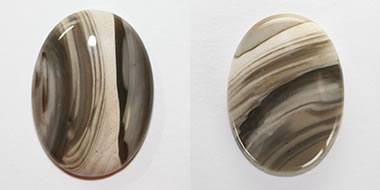
Chert has very few uses today; however, it was a very important tool-making material in the past. Chert has two properties that made it especially useful: 1) it breaks with a conchoidal fracture to form very sharp edges, and, 2) it is very hard.
The edges of broken chert are sharp and tend to retain their sharpness because chert is a very hard and very durable rock. Thousands of years ago people discovered these properties of chert and learned how to intentionally break it to produce cutting tools such as knife blades, arrowheads, scrapers, and ax heads. Tons of chert fragments have been found at locations where these objects were produced in what was one of the earliest manufacturing activities of people.
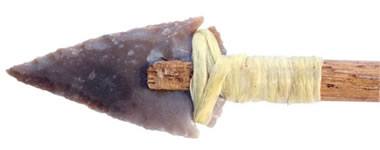
Chert is not found everywhere. It was a precious commodity that early people traded and transported long distances. As early as 8000 BC, the people of what are now England and France dug shafts up to 300 feet deep into layers of soft chalk to mine chert nodules. These are some of the oldest underground mining operations ever discovered.