Siltstone is a sedimentary rock composed mainly of silt-sized particles. It forms where water, wind, or ice deposit silt, and the silt is then compacted and cemented into a rock.
Silt accumulates in sedimentary basins throughout the world. It represents a level of current, wave, or wind energy between where sand and mud accumulate. These include fluvial, aeolian, tidal, coastal, lacustrine, deltaic, glacial, paludal, and shelf environments. Sedimentary structures such as layering, cross-bedding, ripple marks, erosional contacts, and fossils provide evidence of these environments.
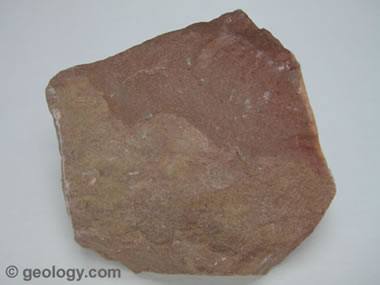
Siltstone is much less common than sandstone and shale. The rock units are usually thinner and less extensive. Only rarely is one notable enough to merit a stratigraphic name.