Rubies and sapphires have been highly sought after in many parts of the world for over one thousand years. Deposits that produce high-quality stones of good color have attracted enormous amounts of attention and have been heavily exploited. As a result, buyers who need large quantities of quality stones are having a harder time finding them in the volumes needed for today’s jewelry marketplace.
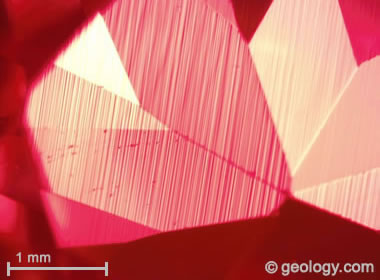
Let’s imagine a jewelry manufacturer who wants to create enough matching ruby pendant, ring, and earring sets to supply a large jewelry chain with over 1000 stores and a busy internet site. This manufacturer will need at least four nice rubies for each matching set, multiplied by enough sets to supply over 1000 stores and a busy internet site.
This manufacturer will need hundreds of thousands, if not millions of rubies, all color-matched into sets and all cut into calibrated shapes and sizes. On the production side, the labor needed to discover, mine, grade, cut, and polish these stones will be enormous. An enormous effort will also be needed on the manufacturing side just to find enough sellers to provide them, confirm their quality, negotiate prices, make large numbers of purchases, and deliver the stones to the manufacturing facility.
Sourcing millions of natural rubies, sorted and cut to specifications will be a very difficult and time-consuming job. However, sourcing synthetic stones is a much easier and less costly job. This is why laboratories capable of reliably producing synthetic rubies and sapphires of consistent size, color, grade, and appearance have found an important place in the gemstone market.
If you go shopping in the United States and look at the ruby and sapphire jewelry offered in many famous-name mall jewelry stores and department stores in the under $100 to $500 price range, you will find that many of the jewelry items are made using “lab-created” or “lab-grown” or “synthetic” rubies and sapphires.
The synthetic corundum in this jewelry is perfect in color, has wonderful clarity and is extremely attractive. Many shoppers see the lower price and better appearance of the synthetic materials when compared to natural stones of similar size and opt to purchase the synthetic. It is a logical choice based upon what appeals to the person and what they are willing to pay. They get great appearance at a lower price.
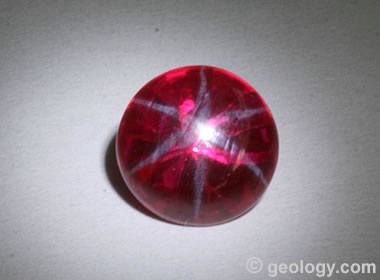
Natural gemstones are a finite resource that will become more difficult to obtain and more expensive over time. As a result, buyers will probably see more synthetic stones offered in most jewelry stores and should expect to see the price difference between synthetic stones and natural stones of similar size, color, and quality become greater in the future.