Geodes in sedimentary rocks are usually found in limestones, dolomites, and calcareous shale. In these deposits a gas-filled void can serve as the opening for geode formation. Shells, tree branches, roots and other organic materials often decay away to leave a void for the formation of mineral materials. These cavities can be filled with quartz, opal, agate or carbonate minerals. They are generally smaller than the geodes formed in volcanic rocks.
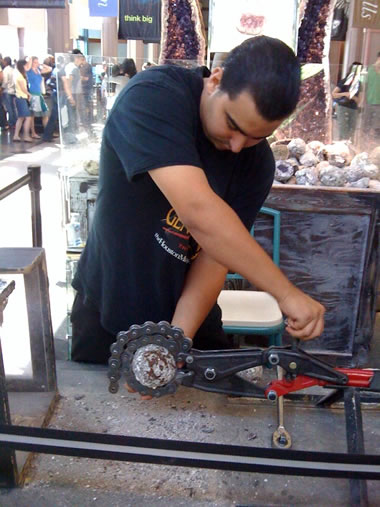
Geodes are most easily collected when their host rocks have weathered away. This can occur because basalt, limestones, dolomites, and shales weather much more readily and rapidly than the quartz and chalcedony that typically form the outer layer of a geode. The host rock weathers away and the geodes are left on the surface, washed into a stream, or stranded in a residual soil. In these situations the geodes are easily found and collected. Some geodes are produced by mining the host rock, but that method is difficult, costly, and often damages the geode.