Quartz is the most abundant and widely distributed mineral found at Earth’s surface. It is present and plentiful in all parts of the world. It forms at all temperatures. It is abundant in igneous, metamorphic, and sedimentary rocks. It is highly resistant to both mechanical and chemical weathering. This durability makes it the dominant mineral of mountaintops and the primary constituent of beach, river, and desert sand. Quartz is ubiquitous, plentiful and durable. Minable deposits are found throughout the world.
Popular Quartz Gems
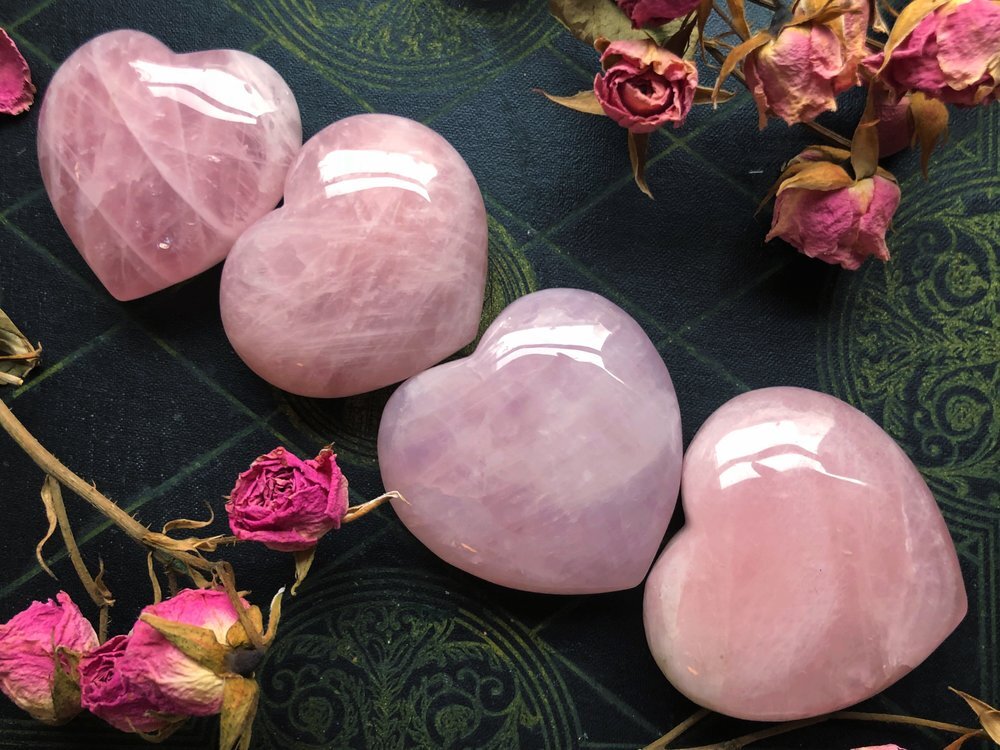
Rose Quartz: the pink variety of quartz
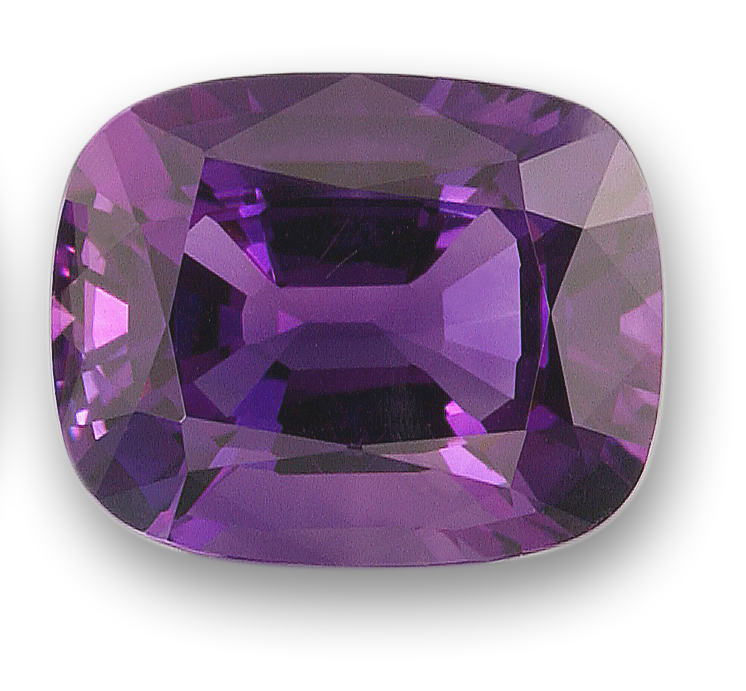
Amethyst: the purple variety of quartz
Aventurine: a sparkling, translucent quartz

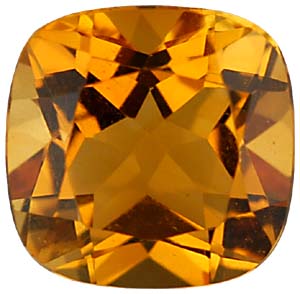
Citrine: the yellow to orange quartz
| Physical Properties of Quartz | |
| Chemical Classification | Silicate |
| Color | Quartz occurs in virtually every color. Common colors are clear, white, gray, purple, yellow, brown, black, pink, green, red. |
| Streak | Colorless (harder than the streak plate) |
| Luster | Vitreous |
| Diaphaneity | Transparent to translucent |
| Cleavage | None – typically breaks with a conchoidal fracture |
| Mohs Hardness | 7 |
| Specific Gravity | 2.6 to 2.7 |
| Diagnostic Properties | Conchoidal fracture, glassy luster, hardness |
| Chemical Composition | SiO2 |
| Crystal System | Trigonal |
| Uses | Glass making, abrasive, foundry sand, hydraulic fracturing proppant, gemstones |
