Lab-grown diamonds are diamonds that have been made by people. Just like the natural diamonds that form deep within the Earth, lab-grown diamonds are a crystalline form of carbon with a cubic (isometric) crystal structure.
Lab-grown diamonds have chemical, physical, and gemological properties that are the same as natural diamonds. However, the manufacturing processes used to produce lab-grown diamonds give them subtle features that trained gemologists and specialized instruments can use to separate lab-grown diamonds from natural diamonds.
An ability to distinguish natural diamonds from lab-grown diamonds is very important. In the gem and jewelry industry, many people have a strong preference for natural diamonds. They prefer them because they are made by nature and also because of their rarity.
As a result, natural diamonds sell for a higher price than lab-grown diamonds. However, many people gladly buy a lab-grown diamond because they can be purchased at a significant cost savings. Some people also prefer lab-grown diamonds for ethical and environmental reasons.
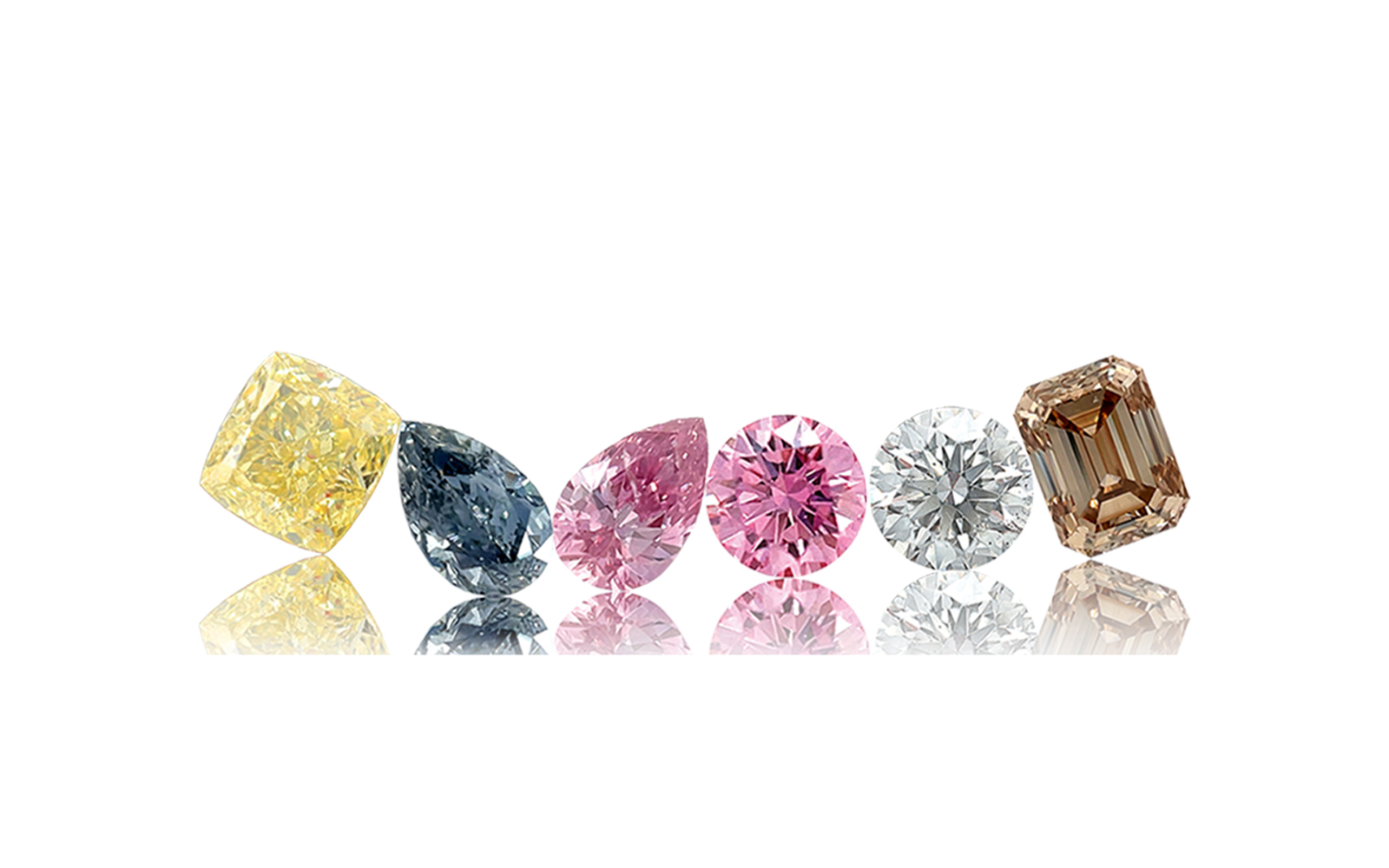
Spectacular Color in Lab-Created Diamonds: Although lab-created diamonds have been produced since the 1950s, the early products fell far short of having the color and clarity needed for use in fine jewelry. The lab-created diamonds in the photo above represent the current “state of the art” in diamond creation and manufacturing. They have exceptional clarity, they have been cut to perfection, and their vibrant colors span the visible spectrum. These diamonds are from the Swarovski Created Diamond collection. They were debuted by Swarovski Group during Paris Haute Couture Fashion Week in January 2020. This collection of colors stands as the most impressive ever seen in the lab-created diamond industry.