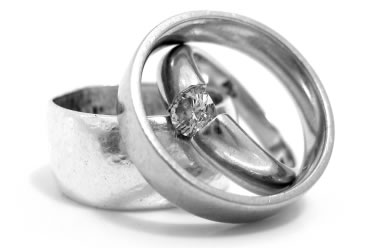
Jewelry and silverware are two other traditional uses of silver. Malleability, reflectivity, and luster make silver a beautiful choice. Because it is so soft, silver must be alloyed with base metals, like copper, as in the case of sterling silver (92.5% silver, 7.5% copper). Even though it resists oxidation and corrosion, silver can tarnish, but with a little polish, it can shine for a lifetime. Because it is less expensive than gold, silver is a popular choice for jewelry and a standard for fine dining. Silver-plated base metals offer a less costly alternative to silver. Silver dishes and plates may accompany silverware, and these can often be ornately crafted works of art. For example, Paul Revere (1734-1818), known to most for his midnight ride at the start of the American Revolution, was a silversmith by trade, and some of his artwork is still on display at the Boston Museum of Fine Arts.