Silver ions act as a catalyst by absorbing oxygen, which kills bacteria by interfering with their respiration. This antibiotic property, along with its non-toxicity, has given silver an essential role in medicine for thousands of years. Before widespread use of antibiotics, silver foil was wrapped around wounds to help them heal, and colloidal silver and silver-protein complexes were ingested or applied topically to fight illness. Silver has also been used in eye drops and in dental hygiene to cure and prevent infection.
While silver is not toxic, repeat intake of small amounts of silver over time can result in argyria. In people with this condition, silver builds up in body tissue, giving it a gray-blue appearance when exposed to the sun. In addition, the ingestion of large amounts of silver can have negative effects on the body. For these reasons, medical doctors discourage the use of colloidal silver, discounting claims by some that colloidal silver is a cure-all dietary supplement.
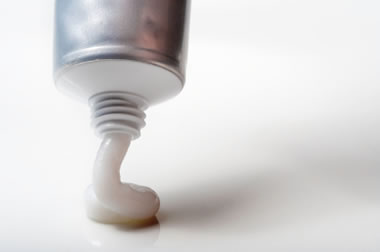
Today, the presence of antibiotic-resistant superbugs increases the demand for silver in hospitals. Small amounts of silver can coat hospital surfaces and medical equipment to prevent the spread of pathogens. Silver in surgical equipment, wound dressings, and ointments protects wounds from infection. Silver sulfadiazine is especially useful for burn victims because it kills bacteria while also allowing the skin to regrow. Silver ion treatments can heal bone infections and allow regeneration of damaged tissue.