A number of things can cause a streak test to give unreliable results. To avoid problems, keep the following items in mind.
- Always do the streak test using a surface of the specimen that has not been weathered. Many weathered specimens are coated with a layer of alteration products that have a different streak color. If you are in doubt and are permitted to break the specimen, testing on a freshly broken surface is a good idea.
- Repeat the test using two different parts of the specimen or two different pieces of the same material for confirmation.
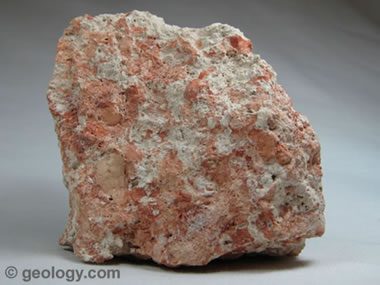
- Be alert for contaminated specimens. For example: bauxite is sometimes contaminated with iron oxides that produce a streak that is not white in color.
- Some minerals are brittle or have a granular habit. When these are scraped across a streak plate, a trail of dislodged grains or broken pieces are produced instead of a powder. Rub the tip of your index finger across the streak plate to place a small amount of the mineral powder on your finger tip. Then rub the tip of your index finger against the tip of your thumb. A powder will have a smooth feel between your finger and thumb. Brittle fragments or granules will feel gritty. Streak color is determined from a powder rather than fragments.
- Streak plates usually have a Mohs hardness of between 6.5 and 7. Many minerals are harder than the streak plate. Instead of leaving a powder behind when dragged across a streak plate, they will scratch the streak plate or fracture into small pieces. Minerals that are harder than the streak plate are said to have “no streak” or a “colorless streak.”
- If the results of your streak test seem inaccurate, be cautious. The streak test should be used as a “hint” leading to the identification of a mineral. Identification of a mineral should always be based upon observations of several different mineral properties.