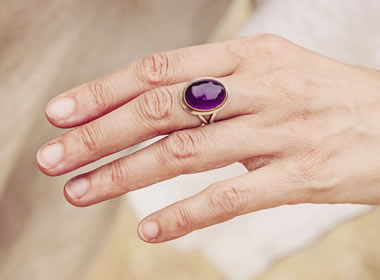
Wearing and gifting birthstone jewelry is a long-standing custom in many countries. In the United States alone, consumers buy millions of dollars’ worth of birthstone jewelry every month.
The first jewelry item that many children receive is often a birthstone ring, earrings, or pendant. Three-piece sets that include a birthstone ring, pendant, and pair of earrings are sold in many stores. These sets are popular birthday and graduation gifts. Some students select their birthstone as the center stone of their high school or college class ring.
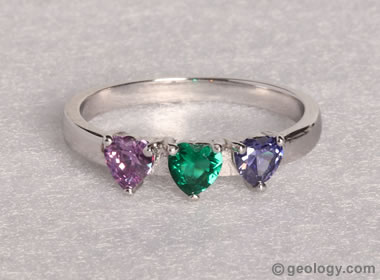
Mothers often wear rings, pendants, or pins that contain their children’s birthstone(s). A “Mother’s Ring” is a woman’s ring that is set with the birthstones of her children. Mother’s rings are sometimes purchased by a mother but they are often a gift to the mother from her husband or from her children. They are often engraved with the names of the children or with a special message.
Birthstones facilitate the purchase and sale of many jewelry items. Birthstones serve as both a purchasing and marketing aid. Here is how that might happen…
A shopper is looking for a gift for a niece and is having difficulty finding “the perfect item”. The salesperson asks the birthdate of the niece. Upon learning that the niece was born in February, the salesperson shows the shopper to a nice display of amethyst jewelry.
The shopper quickly finds an amethyst jewelry set consisting of a ring, a pendant necklace, and a pair of earrings. The “birthstone idea” helped the salesperson make a sale and helped the shopper select a personalized gift. The niece will likely be happy with her birthstone gift.
Many shoppers, gift recipients, and jewelers enjoy the idea of birthstones jewelry. But, the concept of birthstone marketing has its critics. Some people believe that birthstones are nothing more than an arbitrary assignment of gemstones to months, used as a marketing ploy to sell jewelry. It is likely that a larger number of people have given a birthstone jewelry gift and enjoyed seeing a delighted recipient.