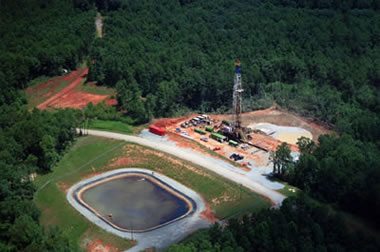
Disputes between the mineral rights owner and the surface rights owner usually arise at the time of mineral extraction.
These activities can require use of the surface and damage the surface owner’s enjoyment of the property. Here is where the wording of the mineral rights agreement or lease agreement becomes very important. The agreement may give the mineral owner the right to extract the mineral at any time, using any methods and without compensation or regard for the surface owner. This is why legal assistance should be obtained when selling or leasing mineral rights.
When purchasing surface rights (this can be as simple as buying a home), it is a good idea to carefully examine the wording of any mineral rights agreements that apply to the property. These could grant significant liberties to the mineral owner at the time of extraction. Although you were not involved in the transaction that sold the mineral rights from the property, you will nevertheless be bound by that contract.
When you buy a property you buy both its assets and its liabilities. Hire an attorney who can do the necessary research and educate you about what you are buying.
When mineral rights are being sold or leased, the parties involved in the transaction should be in full agreement on how extraction will occur, what reclamation will be done, what equipment will remain on the property, what access will be needed by the lessee, and who is responsible for anticipated problems. Most states have mining laws and regulations that limit the mining company’s actions during the extraction process and require reclamation. However, these laws might not meet the surface owner’s expectations. To avoid problems these matters should be addressed in the contract at the time of sale. Again, the property owner should have an attorney who can research, negotiate, educate and ensure that the contract is appropriate.