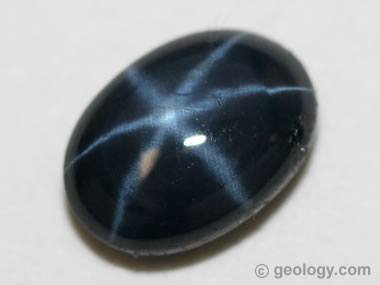
Two of the more spectacular events in the history of gemstone mining occurred when heat treatment discoveries enabled geuda (a milky white to brownish corundum, found mainly in Sri Lanka) to be converted into beautiful blue gems. Worthless corundum had suddenly become valuable! Until then the worldwide resource of blue sapphire rough was becoming more limited with each passing year. This discovery produced an instantaneous increase in the sapphire resource of Sri Lanka, and possibly similar increases in the sapphire resource in other parts of the world.
Within a short time, similar heat treatment methods were being used on a variety of smoky corundum called “dhun” that is found in Madagascar. It was easy to treat and extremely abundant, with no other competing use. This produced another increase in the world sapphire resource through the discovery of a treatment method.
Then came a treatment known as “lattice diffusion.” This is a method in which corundum is heated in the presence of another material that can donate tiny atoms, such as beryllium. Heat causes the corundum lattice to expand enough that the tiny beryllium atoms can enter. When the corundum is cooled, the lattice begins to contract to its original size and shape, but the trapped atoms inside prevent that. The deformed lattice then transmits light in a different way, and the color of the corundum is changed. Beryllium diffusion can produce orange, yellow, and pink colors. Titanium diffusion can produce blue corundum.
These heat and lattice diffusion treatments have transformed worthless material and worthless deposits into valuable resources. They enabled an additional income stream from working mines, and suddenly gave previously-mined sediment in many parts of the world another chance at production. The value of this rough will not be as high as the value of rough with a natural blue color, but it will mean future jobs, future gems, and future sales.