Zircon is a primary accessory mineral in most granitic rocks. It is also present in gneiss and other rocks derived from the metamorphism of zircon-bearing igneous rocks. Zircon is so common and widely distributed across the rocks of Earth’s surface that it could be considered to be a ubiquitous mineral. However, zircon is usually not noticed in rocks and sediments because of its very small particle size. Grains of zircon over a few millimeters in size are rare – they are usually under one millimeter in size. It is one of Earth’s most common but most overlooked minerals.
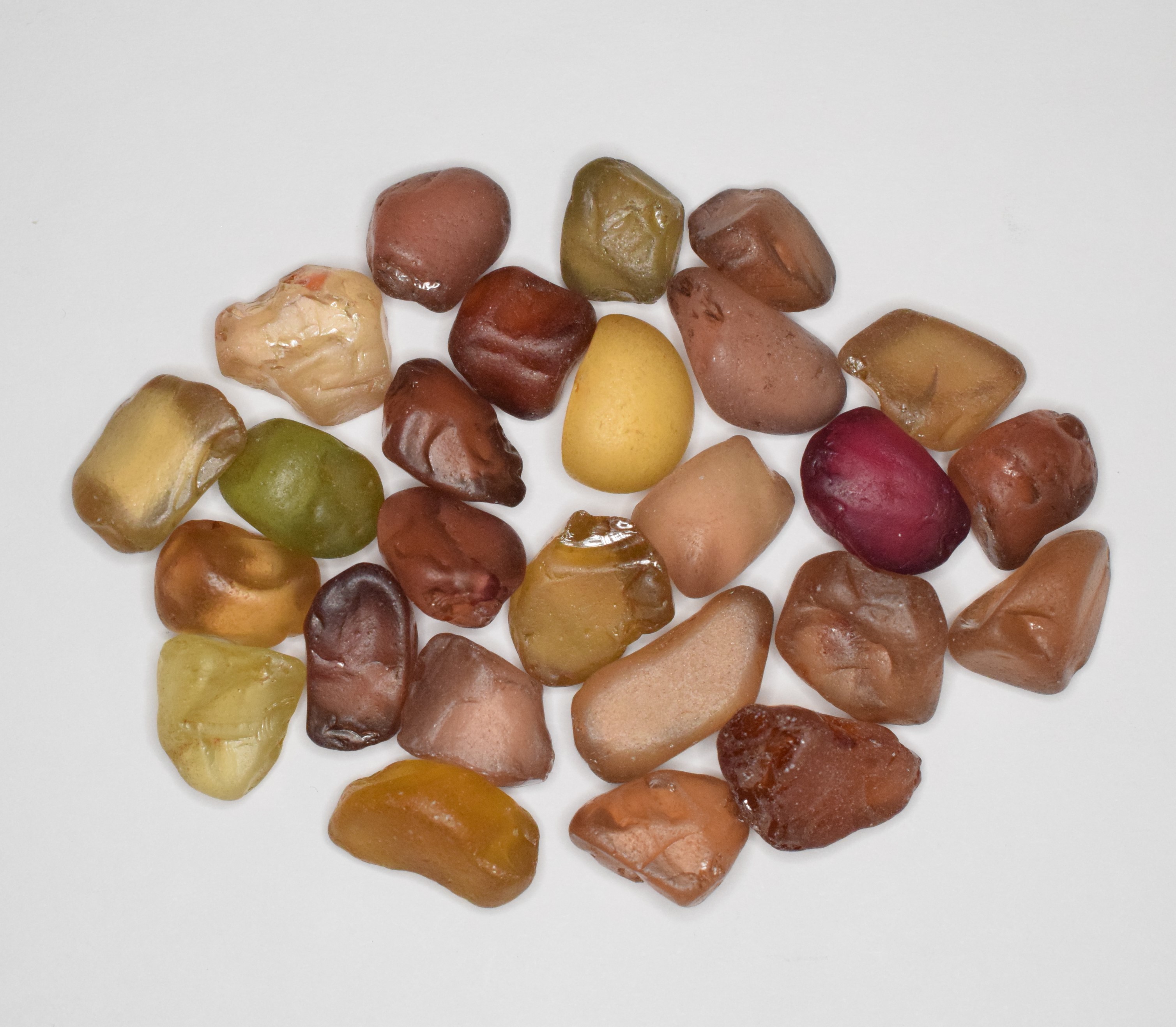
Zircon is highly resistant to chemical alteration and abrasion. When rock units containing zircon are weathered and their sediments are eroded, enormous numbers of tiny zircon crystals are dispersed. These can persist in soils, sediments, and sedimentary rocks for millions – even billions – of years. They can survive several cycles of uplift, weathering, erosion and deposition.
Some of the largest crystals of zircon are formed in pegmatites, carbonate igneous rocks known as carbonatites, and in limestones altered by hydrothermal metamorphism. These large zircons are sometimes of high clarity and suitable for use as gemstones.