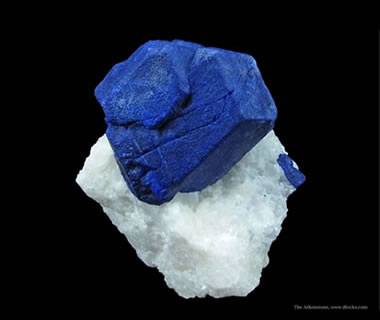
Afghanistan has been one of the world’s primary sources of lapis lazuli through most of recorded history. Most of the country’s production comes from thousands of small mines in the Badakhshan Province. This is an area with a destitute economy, where opium poppy growing and gemstone mining are the only important sources of outside revenue.
Much of the area where the lapis lazuli mining occurs is occupied by the Taliban and local members of the Islamic State. They operate illegal mines, attack other mines to capture their production, and demand protection payments from intimidated mine operators. Revenue from these activities is used to fund war and terrorism.
Numerous advocacy groups and some members of the Afghanistan government would like to see Afghanistan’s lapis lazuli classified as an international “conflict mineral.” This would require the country’s government to track the production and sale of lapis lazuli from mine to market. It would also involve an international effort to keep illicit lapis lazuli from being traded. The Kimberley Process, used for tracking the flow of diamonds, would serve as a model for the tracking of illicit lapis lazuli.