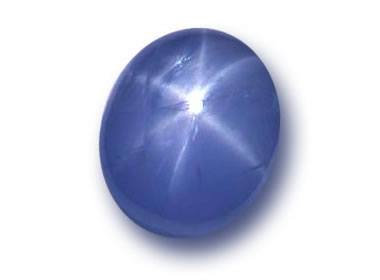
Most gem-grade corundum forms in metamorphic rocks, such as schist or gneiss; or in igneous rocks such as basalt or syenite. However, gem corundums are rarely mined from the rocks in which they form. Mining small gems from hard rock is possible, but it is very expensive, and many of the gems are broken during the mining process. Fortunately, corundum is very hard and resistant to weathering. In many areas, natural weathering and erosion have liberated the stones from their host rock, and carried them into streams over long periods of geologic time.
Today, the gems are mined from these stream sediments. Their high specific gravity relative to other sediment particles often causes currents to concentrate them in small placer deposits. Most rubies and sapphires are produced by washing the gravels of these stream deposits. This work is often done by hand because the deposits are small and irregular in shape and character. These deposits are often located in countries when wages are very low and artisanal mining is prevalent.
Noteworthy locations where gem-quality corundums have been produced include Myanmar, Thailand, Cambodia, Vietnam, India, Pakistan, Afghanistan, Sri Lanka, China, Australia, Madagascar, Kenya, Tanzania, Nigeria, and Malawi