-
Hearty Chickpea & Spinach Stew
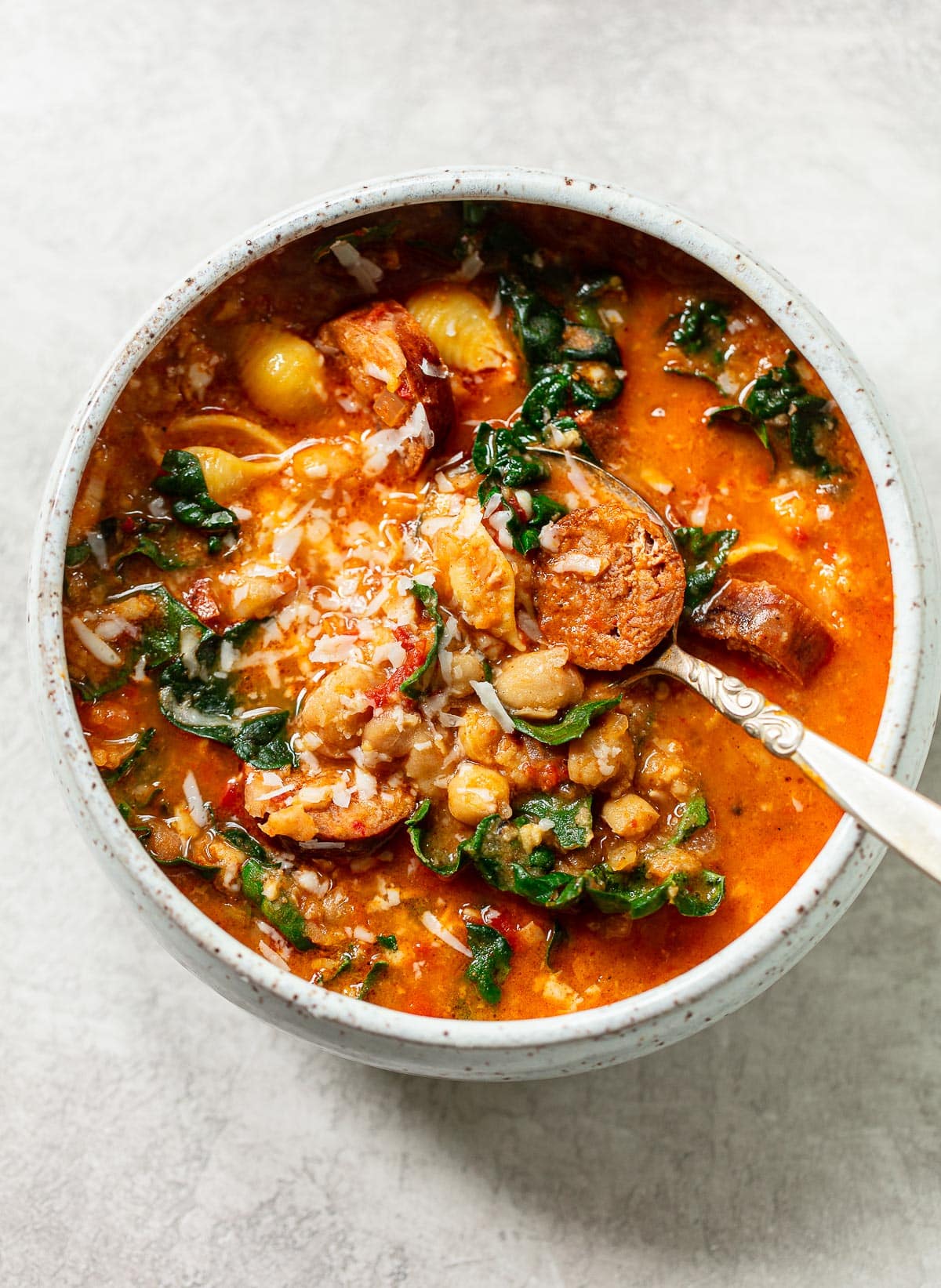
Ingredients: Instructions: Tip: Individually quick-frozen (IQF) spinach makes this recipe a breeze. If you can’t find it, use a frozen 10-ounce block of spinach. Cook according to the package directions, then add to the soup in Step 4.
-
Egg Roll in a Bowl

Ingredients: Baked Wonton Crips: Egg Roll Mixture: Instructions: Baked Wonton Crisps: Egg Roll Mixture:
-
Sources of Aquamarine
Brazil is the world’s leading source of gem-quality aquamarine for over 100 years. It is found there in both pegmatites and alluvial deposits. Afghanistan, Kenya, Madagascar, Malawi, Mozambique, Nigeria, Pakistan, Russia, Tanzania, and Zambia are all sources of aquamarine. India and Sri Lanka have long histories of aquamarine production from alluvial deposits. Aquamarine has been found at many locations in the United States. To date, almost all of the production has been…
-
Geological Occurrence
Most gem-quality aquamarine crystals form in cavities below Earth’s surface during the late stages of a magma body’s crystallization. The cavities provide open space for crystals to grow. The slow underground cooling rate provides the time needed for the development of large crystals. And, the late-stage timing provides the fluids and a supply of the beryllium needed…
-
Synthetic Aquamarine
Synthetic aquamarine (lab-grown aquamarine) has been produced by hydrothermal growth methods in Russia since at least the 1980s [4] and since the early 2000s in the Czech Republic. Some synthetic aquamarine receives its color from iron, like natural aquamarine. However, richly colored synthetic aquamarine has been produced using cobalt, copper, and nickel as sources of…
-
Maxixe: The Other Blue Beryl
Maxixe (pronounced “mashish”) is a rare variety of beryl with a dark blue color. The blue color develops while the gem material is still within the Earth by exposure to natural radiation. Unfortunately, the blue color gradually fades to a pale brownish color upon exposure to light. If Maxixe loses its color, it can be…
-
Aquamarine Color and Treatment
As a member of the beryl mineral family, aquamarine has a chemical composition of Be3Al2Si6O18. Pure beryl is colorless. The greenish blue to blue color of aquamarine is caused by trace amounts of iron. The iron can occur in two oxidation states. Ferrous iron (Fe2+) is responsible for blue color, and ferric iron (Fe3+) is…
-
Aquamarine Gemology
Aquamarine is such a popular gemstone that it can be found in almost any jewelry store in the United States. If you are interested in purchasing an item of aquamarine jewelry, here are a few things to consider: Durability: Aquamarine has a Mohs hardness of 7.5 to 8, making it one of the harder gemstones. Diamond,…
-
Aquamarine: Transparent and Translucent
Aquamarine is best known as a highly transparent blue stone. Unlike emerald, the deep green variety of beryl, high-clarity, fracture-free aquamarine is abundant and more affordable. High-clarity, fracture-free stones are also more attractive and less likely to be damaged during wear. Did you know that nice pieces of translucent aquamarine are also used in jewelry? Translucent…