Pegmatites are extreme igneous rocks that form during the final stage of a magma’s crystallization. They are extreme because they contain exceptionally large crystals and they sometimes contain minerals that are rarely found in other types of rocks.
To be called a “pegmatite,” a rock should be composed almost entirely of crystals that are at least one centimeter in diameter. The name “pegmatite” has nothing to do with the mineral composition of the rock.
Most pegmatites have a composition that is similar to granite with abundant quartz, feldspar, and mica. These are sometimes called “granite pegmatites” to indicate their mineralogical composition. However, compositions such as “gabbro pegmatite,” “syenite pegmatite,” and any other plutonic rock name combined with “pegmatite” are possible.
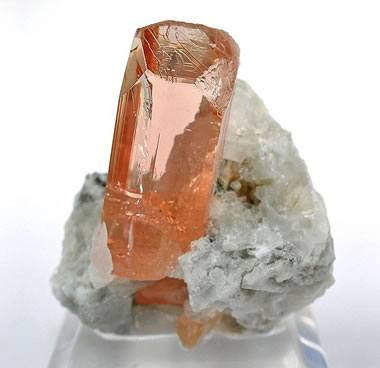
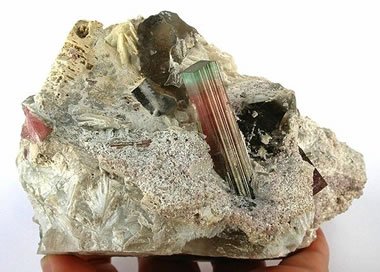
Pegmatites are sometimes sources of valuable minerals such as spodumene (an ore of lithium) and beryl (an ore of beryllium) that are rarely found in economic amounts in other types of rocks. They also can be a source of gemstones. Some of the world’s best tourmaline, aquamarine, and topaz deposits have been found in pegmatites.