What Makes a Sapphire?


Trace amounts of iron and titanium can produce a blue color in corundum. Blue corundums are known as “sapphires.” The name “sapphire” is used for corundums that range from a very light blue to a very dark blue color. The blue can range from a greenish blue to violetish blue. Gems with a rich blue to violetish blue color are the most desirable.

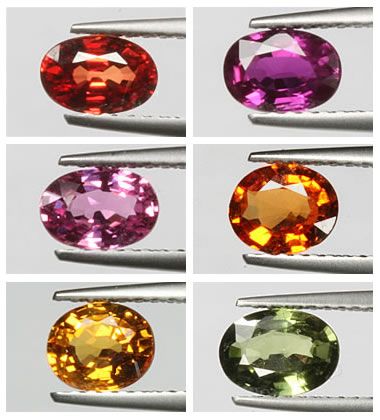
Gem-quality corundum occurs in a wide range of other colors, including pink, purple, orange, yellow, and green. These gems are known as “fancy sapphires.” It is surprising that a single mineral can produce gemstones of so many different colors.

When the color of a sapphire is any color other than blue, the color should be used as a preceding adjective to describe the stone. For example, pink sapphire, yellow sapphire, or green sapphire. Used alone, the word “sapphire” refers only to blue corundum.
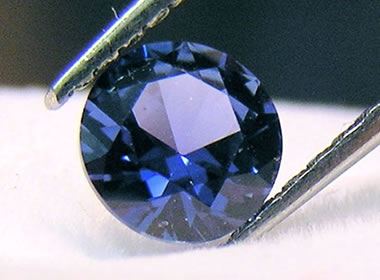
Yogo Gulch Sapphire - Montana
Montana sapphire: The most widely known sapphire locality in North America is Yogo Gulch, Montana, famous for producing deep blue sapphires of excellent quality.
fancy sapphires
Fancy Sapphires: A collection of sapphires. Clockwise from top left: a reddish orange beryllium-heat-treated sapphire weighing 0.62 carats from Tanzania; a pinkish purple heated sapphire weighing 0.62 carats from Tanzania; a mandarin orange beryllium-heat-treated sapphire weighing 0.66 carats from Tanzania; a green heat-treated sapphire weighing 0.87 carats from Australia; an orangy yellow beryllium-heat-treated sapphire weighing 0.77 carats from Tanzania; and, a purplish pink heated sapphire weighing 0.66 carats from Madagascar. Almost all fancy sapphires have received heat or beryllium-heat treatment to improve their color.

Leave a Reply

Your email address will not be published. Required fields are marked *